
Home › How to Hire
How to Hire a Licensed Well Driller
What to check, what to ask, and the red flags that should make you keep looking, before you sign anything.
Quick answer: Check the contractor's state license number with the licensing board, not just their word for it. Get at least two written quotes that itemize drilling, casing, pump, and testing separately, and verify current insurance and bonding before you sign. Walk away from anyone who refuses to provide a license number or demands full payment up front.
Check Licensing Requirements Where You Live
Licensing rules for water well contractors are set state by state, and they vary widely. A peer-reviewed 2019 study in the journal Water Policy found that all 50 states have some form of legal requirement covering the drilling or construction of new wells, but beyond that baseline, states differ dramatically in how comprehensive their rules are, some regulate licensing, bonding, and construction standards closely, others leave much more to the individual contractor. Some states also incorporate exam content from the National Ground Water Association (NGWA) into their own licensing process; NGWA reports that 14 states and two counties do this as of its most recent count.
Because there is no single national standard, the most reliable way to check requirements for your state is to look up your state's water resources agency, environmental agency, or well-construction board directly, they are the licensing authority, not any private directory. Our well drilling license requirements by state table links straight to each state's official licensing board and shows whether a license is required and who issues the permit. You can also browse this site's state-by-state pages to see the contractors listed for your area.
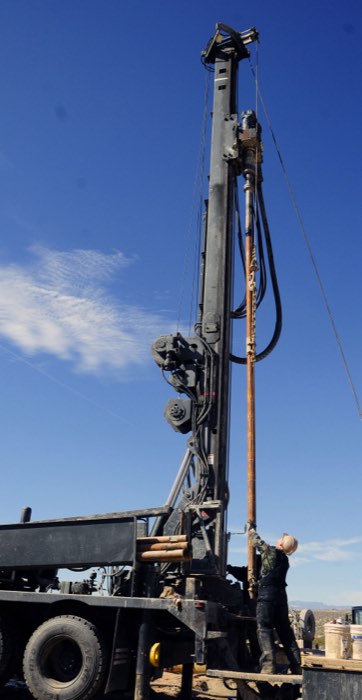
Verify the Contractor's Credentials
Before you hire anyone, ask for their license number and check it with your state's licensing board or well-construction agency rather than taking a business card or website claim at face value. Most state boards maintain a public license lookup; if a contractor cannot or will not provide a license number, treat that as a serious red flag.
For contractors listed here, look for a "License verified" note on the profile page. It means we matched that business against a public state licensing register. A match is not a live status check, and roughly four in ten listings checked did not turn up a match at all, often due to DBA-name or unsearchable-register issues. See our license verification audit for the full methodology and its limits.
Ask the Right Questions Before Hiring
A few questions can save you from a bad outcome later:
- How many years have you been drilling wells in this specific area, and do you know the local geology?
- Can you provide references from recent jobs nearby, ideally ones with similar depth or ground conditions?
- What happens to the price if you hit rock or have to drill deeper than expected? Get the answer in writing.
- What's included in the quote, drilling, casing, pump, pressure tank, testing, or are some of those separate?
- Who pulls the permit, and who is responsible for well abandonment or plugging if the well fails?
- What warranty do you offer on the well and the pump system?
Get Multiple Quotes
Get at least two or three quotes from different licensed contractors before deciding. Make sure each quote itemizes the same components (drilling, casing, pump, tank, testing) so you're comparing like for like rather than one contractor's all-in price against another's drilling-only estimate. See our well drilling cost guide for what each of those components typically costs, so you can spot a quote that looks unusually high or suspiciously low. If the total is more than you planned to pay upfront, see our guide to financing a well drilling project for how homeowners typically cover the cost.
Confirm Insurance and Bonding
Ask for proof of general liability insurance and, where your state requires it, a contractor's bond, then verify the certificate is current rather than just taking the contractor's word for it. Insurance protects you if equipment damages your property during drilling; bonding gives you a path to recovery if the contractor fails to complete the work or violates licensing rules. If a contractor is reluctant to provide documentation, that's a reason to keep looking.
Watch for Red Flags
- Refuses to provide a license number or asks you to skip the permit process.
- Demands full payment up front before any work begins.
- Won't put the scope of work, price, and timeline in writing.
- Has no fixed business address or can't provide local references.
- Pressures you to sign the same day, or quotes a price far below every other bid without explanation.
Review the Contract Before You Sign
A solid well-drilling contract should spell out the scope of work (depth range, casing type and diameter, pump specifications), who is responsible for permits, the payment schedule, an estimated timeline, and what warranty applies to the well and equipment. If the contract is vague on any of these, ask for it to be spelled out before you sign, not after drilling starts. See our seasonal considerations guide for how time of year can affect that timeline.
Take the checklist with you
Our free New Well Owner's Guide (PDF) has these questions, red flags, and cost expectations in a printable format you can bring to a site visit.
Frequently Asked Questions
How can I verify a well driller's license before hiring them?
Ask for the contractor's license number and check it with your state's licensing board or well-construction agency. Most maintain a public license lookup. Don't take a business card or website claim at face value. If a contractor cannot or will not provide a license number, treat that as a serious red flag.
How many quotes should I get for a well drilling project?
Get at least two or three quotes from different licensed contractors before deciding. Make sure each quote itemizes the same components (drilling, casing, pump, tank, testing) so you're comparing like for like, not one contractor's all-in price against another's drilling-only estimate.
What are red flags when hiring a well driller?
A contractor who refuses to provide a license number, asks you to skip the permit process, demands full payment up front, won't put the scope of work and price in writing, has no fixed business address, or pressures you to sign the same day. See the full list below.
Does this site verify contractor licenses?
For many listed contractors, we cross-checked the business name against public state licensing registers. Look for a "License verified" note on the contractor profile page. That match confirms a register hit, not a guarantee of current status, and roughly four in ten listings checked did not turn up a match. See our license verification audit for the full methodology.
Ready to start getting quotes?
Tell us about your project and we'll pass your details to a licensed well driller serving your area.
Request a Quote