
Home › FAQ
Well Drilling FAQ
Cited answers to the questions homeowners ask most before drilling a well.
How much does it cost to drill a residential well in the US?
Nationally, most homeowners pay between $3,000 and $9,000 to drill a residential well, with an average around $5,500, according to HomeAdvisor's well drilling cost data. Per-foot drilling costs typically run $25 to $65 per foot. That is a national average, not a quote: actual cost depends heavily on how deep you have to drill, local rock and soil conditions, and your region. In areas where groundwater sits 200 to 300 feet below the surface, drilling and casing costs rise accordingly, and drilling through rock or bedrock takes longer and adds to the contractor's rate. See our cost guide for a full breakdown by component, and get quotes from local licensed contractors for pricing specific to your property.
Source: HomeAdvisor, well drilling cost guide. See the full Well Drilling Cost Guide for a component-by-component breakdown.
Do I need a licensed contractor to drill a well?
In nearly every case, yes. A peer-reviewed 2019 study published in the journal Water Policy found that all 50 states have some form of legal requirement governing the drilling or construction of new wells, though states differ dramatically beyond that baseline in how comprehensive their rules are. Some states also build the National Ground Water Association's certification exams into their own licensing process (14 states and two counties do this, according to NGWA). Because requirements vary so much from state to state, use the state pages for the license status shown on contractors listed in your area, then check current licensing with the contractor.
Sources: "State-Level Policies Concerning Private Wells in the United States," Water Policy (2019) and National Ground Water Association, contractor state licensing. Browse contractors and licensing status by state on our state directory.
How long does it take to drill a residential well?
The drilling itself usually takes one to three days, according to HomeAdvisor. Once you add pump installation, electrical work, and plumbing, the full project typically takes about a week from start to finish. Deeper wells, harder rock, or local permitting delays can stretch that timeline further, so ask any contractor you're considering for a realistic estimate based on your site.
What's the difference between a drilled well and a dug well?
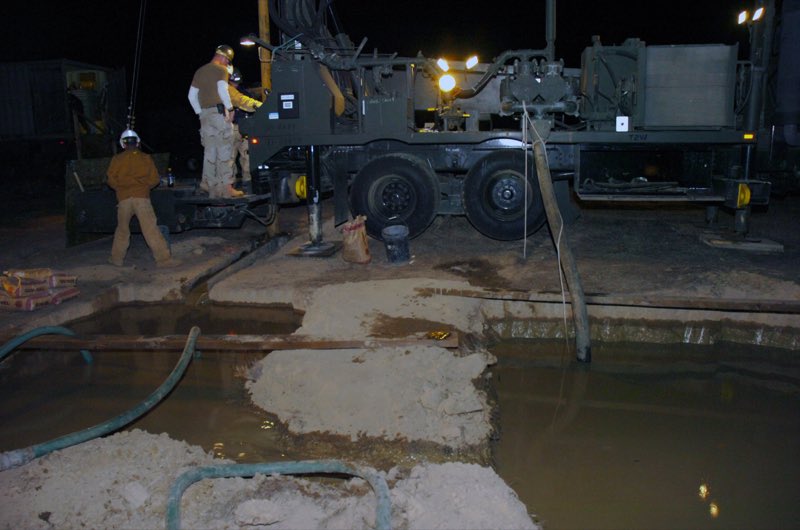
Per the EPA, dug wells are shallow, typically 10 to 30 feet deep, and lined with material such as stone, brick, or tile rather than continuously cased, which leaves them more exposed to surface contamination. Drilled wells are built with rotary or percussion drilling equipment, can reach depths of thousands of feet, and use continuous casing, giving them a lower risk of contamination. Most modern residential wells are drilled wells for that reason.
Still have questions specific to your property?
Tell us about your project and we'll pass your details to a licensed well driller serving your area, who can answer the site-specific questions this FAQ can't.
Request a Quote